Gutenberg page speed
Compare equivalent Gutenberg and Elementor page designs with the same host, assets, content, device, and cache state; avoid attributing every speed difference to the editor.
Start with a current-state inventory for Gutenberg page speed. In a controlled example where two identical brochure templates are rebuilt in Gutenberg and Elementor, specify who owns the decision and what action is permitted before implementing anything. Record page URL, WP/PHP versions, environment, role, change ID, dated test result and restore point. The inventory prevents a vendor, editor or automation from changing an assumption that nobody has approved. Review the WordPress Block Editor handbook for native block architecture details.
Elementor performance overhead
Measure page weight, JavaScript execution, LCP, INP, and CLS instead of making an unsupported blanket claim that one tool is faster.
Translate that requirement into a decision rule: name the actor, event, permitted operation and expected state, then attempt one negative case. In the example where two identical brochure templates are rebuilt in Gutenberg and Elementor, a successful happy-path demo is insufficient if an unapproved role or invalid record can take the same action. Preserve the rejected test as carefully as the successful one, checking current Elementor performance documentation so feature flags are recorded accurately.
Elementor vs Gutenberg Controlled Test Plan
A credible editor comparison requires matched page content and test conditions. No speed winner or observed Pixel Flow Solutions result is asserted here.
| Comparison criterion | Same conditions to hold constant | Published reference / rule | Evidence needed |
|---|---|---|---|
| Page scope | Matching content, images and interactive behavior | Compare equivalent rendered features | Both page URLs and documented element inventory |
| Hosting and caching | Same host tier, region, PHP, CDN and cache state | Use matched cold/warm test scenarios | Environment and cache configuration snapshots |
| LCP | Same mobile device/network conditions | Good field LCP: ≤ 2.5 seconds at p75 | Field distribution or repeated reproducible lab trace |
| INP | Same user journey and interactions | Good field INP: ≤ 200 milliseconds at p75 | Real-user INP data and interaction traces |
| CLS | Same responsive breakpoints and content | Good field CLS: ≤ 0.1 at p75 | Layout-shift observations and DOM comparison |
| Editing/handover | Same editorial task and acceptance criteria | Record completion, rework, dependencies and exportability | Versioned task notes and plugin inventory |
WordPress block editor flexibility
Account for design flexibility, team editing skills, maintenance requirements, and component reuse rather than making the decision on installation time alone.
Use a small repeatable test set rather than an anecdote. Include one normal record, one missing required field and one failure or rollback scenario. For WordPress block editor flexibility, retain the input, expected result, observed result and owner of the exception. A pass/fail table is more useful to the next developer than a claim that the setup was "tested".
Worked test case
Example to document, not an observed result: two identical brochure templates are rebuilt in Gutenberg and Elementor. Write the input and permitted action, test an ordinary path and one denied or failed path, then capture page URL, WP/PHP versions, environment, role, change ID, dated test result and restore point. If the expected and observed states disagree, keep the case open instead of changing the success criteria after the test. Break down loading behavior with web.dev LCP guidance and interaction responsiveness with web.dev INP guidance.
Editor maintenance burden
A Gutenberg block theme can provide reusable patterns; audit whether custom blocks or legacy plugins add their own performance and upkeep burden.
Model the failure path explicitly. Ask what happens if a dependency is unavailable, a user lacks permission, an event arrives twice, or a stakeholder rejects the proposed result. For editor maintenance burden, write down the next safe state and who receives the alert. A procedure that only works during a demonstration is not ready for production.
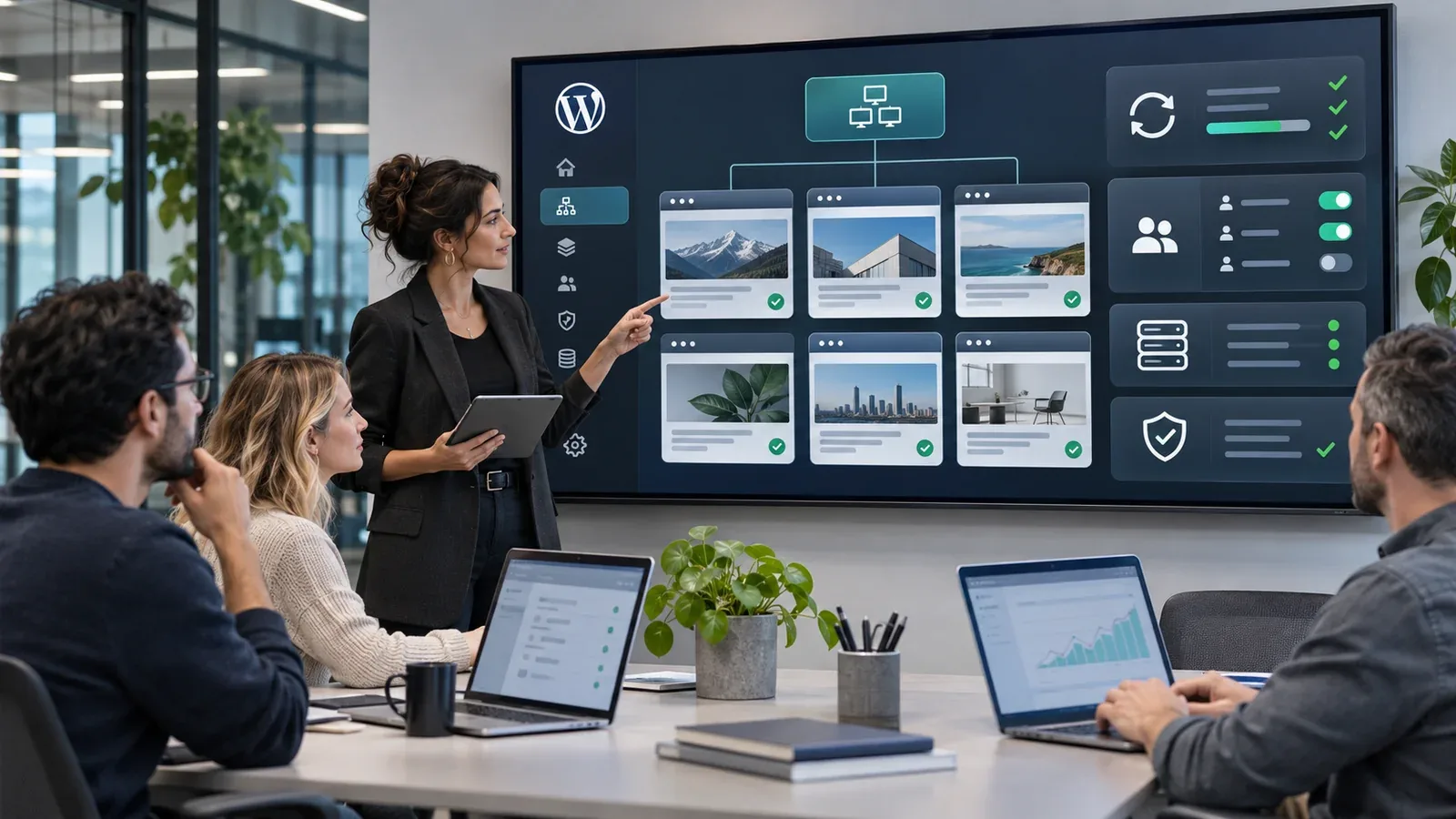
Core Web Vitals comparison
Elementor can support complex visual handoffs, but inspect addon dependencies and dynamic-widget behavior on the actual pages that drive leads.
Editor selection does not change simply because the site targets the US, UK or Canada. Language support, accessibility expectations and support availability may change the implementation; verify those requirements against the actual audience and Google Core Web Vitals guidance.
Page builder migration cost
Run a cross-editor build experiment with recorded versions and a shared acceptance checklist; use the median of repeated tests when reporting numeric differences.
Make the evidence easy to inspect: attach page URL, WP/PHP versions, environment, role, change ID, dated test result and restore point, plus the current configuration or document version. Compare against a written acceptance rule for page builder migration cost, and state what would make the rule fail. If a figure is a proposed target instead of a measurement, label it as a planning assumption rather than market data.
Acceptance evidence
Acceptance test: build an equivalent page in each editor and document identical content, theme, host, plugins and device profile. Compare rendered structure, maintenance steps, CWV observations and accessibility defects without cherry-picking one run. The migration decision should include license exposure, rebuild effort and testing, not only an editor benchmark; review WordPress project pricing when estimating that work. Complex rebuilds and editor migrations require an individual scope rather than a generic starter estimate.
Support Handover Evidence
Choose the editor that produces a stable, accessible and maintainable site for the client's workflow, documenting the exception that would change the decision.
Close with a handover decision. Another person should be able to reproduce the example where two identical brochure templates are rebuilt in Gutenberg and Elementor using the approved instructions, without privileged knowledge from the original implementer. List the open exceptions and the owner responsible for them; a release is not complete just because a page, workflow or code change shipped.
Continue with the related implementation guides and Pixel Flow Solutions resources:
WordPress Intranet: Access and Security Guide (upcoming guide)
WordPress Version Control: Agency Release Workflow (upcoming guide)